Rwanda Tea and Coffee – A Journey Through the Land of a Thousand Hills
Updated: June 23, 2026
The first things that come to the mind of travelers when they mention Rwanda are gorilla trekking and rolling green hills. However, there is one more treasure that can be found in Rwandan tea and coffee, although it is hidden behind the landscape and wildlife. Grown at high altitudes, nurtured by volcanic soil, and cultivated by dedicated local farmers, Rwanda’s tea and coffee industries have earned global recognition for their quality and sustainability.
For tourists who want to get closer to the culture of the country they visit, visiting Rwandan tea and coffee farms would provide them with a better insight into the history, economy, and everyday life of the nation.
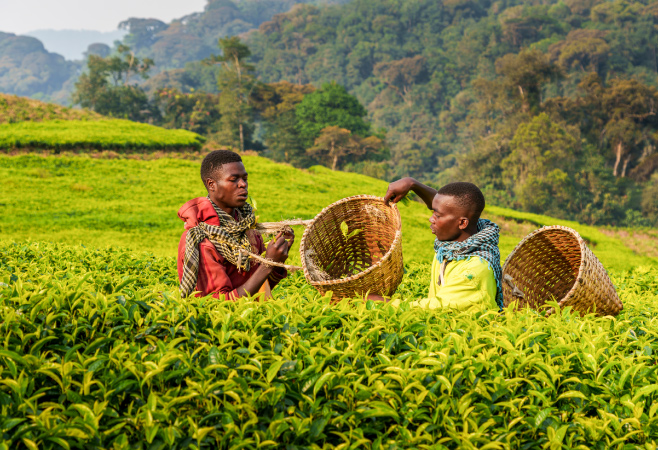 Men picking tea in mountain plantations in Nyungwe National Park plantation
Why Rwanda Tea and Coffee Are World-Famous
Rwanda’s global reputation for tea and coffee is no coincidence—it is largely shaped by the country’s unique geography. The country is located at an altitude of between 1,200 and 2,000 meters above sea level, which has made it offer the perfect growing conditions for high-quality Arabica coffee and high-quality black tea.
The volcanic soils present in most of the areas add more flavor and stability, and the consistent rainfall patterns and moderate temperatures support steady crop development. These beneficial conditions provide Rwandan tea and coffee with a sophisticated taste that is valued by discriminating buyers worldwide.
The coffee in Rwanda is mostly distinguished by a bright acidity, medium body, and flavors of red berries, citrus, caramel, and floral, which are commonly present. Meanwhile, Rwandan black tea is praised for its rich color, brisk flavor, and smooth finish.
A Brief History of Rwanda Tea and Coffee
Rwandan tea and coffee have a history dating back to colonial times. German colonists introduced coffee in the early 20th century, and expanded during Belgian rule. Tea plantations were developed soon after, especially in highland regions suitable for cultivation.
Following the genocide of 1994, Rwanda invested heavily in rebuilding its agricultural sector. Coffee washing stations were improved, farmer cooperatives were reinforced, and quality control was enhanced. This led to the shift of Rwandan tea and coffee from bulk export commodities to high-grade products.
Coffee and tea farming are a source of income to thousands of smallholder farmers today. These industries contribute significantly to Rwanda’s economy and symbolize the country’s resilience and recovery.
Rwanda Coffee: Flavor, Regions, and Recognition
When it comes to Rwandan coffee, one key highlight is the Arabica beans, which are the specialty in the country. The main type of coffee that is grown in Rwanda is the Bourbon variety of Arabica coffee, which is regarded as one of the best coffee species in the world.
Key Coffee Regions
- Gatare
- Nyamasheke
- Karongi
- Lake Kivu region
These regions benefit from fertile soil and high altitudes. The washed processing method—commonly used in Rwanda—enhances clarity and brightness in the cup.
Rwandan coffee regularly appears in international competitions and is served in specialty cafes across Europe, North America, and Asia. Travelers interested in learning about production can join coffee tours in Rwanda, where they witness harvesting, washing, drying, and roasting processes firsthand.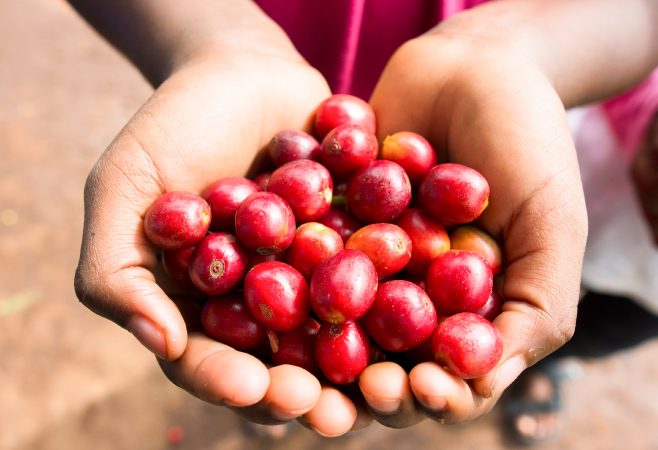 Red coffee cherries at the Liza coffee cooperative in the Lake Kivu region of Rwanda
Rwanda Tea: A Hidden African Gem
While Ethiopian coffee and Kenyan tea are widely known, rwanda tea and coffee deserve equal recognition. Rwanda produces high-quality black CTC (Crush, Tear, Curl) tea, primarily exported to global markets including the UK and Pakistan.
Major tea estates such as Gisovu, Pfunda, and Kitabi sit near Nyungwe Forest National Park. The scenic plantations stretch across rolling hills, creating breathtaking landscapes for visitors.
Tea plantations in Rwanda place a strong focus on sustainability. Many estates adopt environmentally friendly farming practices and provide employment to the locals, particularly women.
Travelers who seek to have a mix of nature and agriculture will find the coffee and tea plantation tours in Rwanda to offer in-depth experiences in the high and fertile highland regions.
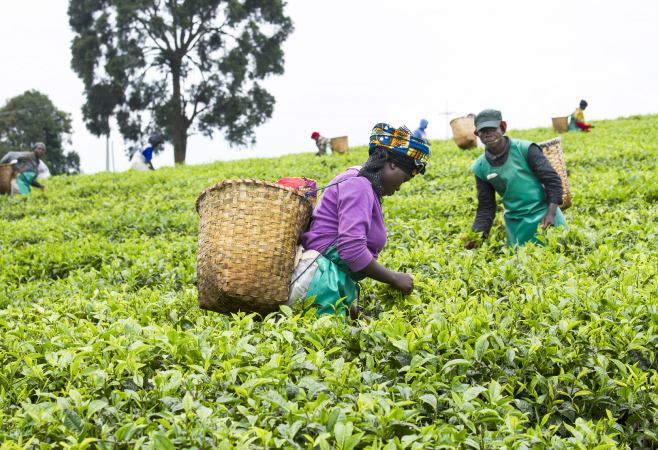 Tea is one of Rwanda’s key export products.
Visiting Rwanda Tea and Coffee Plantations
Exploring rwanda tea and coffee goes beyond tasting a cup—it’s about understanding the people and process behind it.
What to Expect on a Tour
- Guided walk through coffee farms
- Explanation of harvesting techniques
- Demonstration of washing and drying methods
- Traditional roasting experience
- Fresh tasting session
Travelers in Kigali can easily join short coffee experiences within the city, while more immersive tours are available in rural areas, which expose them to the coffee culture in the country. For more in-depth experiences, Rwanda coffee tours in rural areas offer a complete farm-to-cup journey.
Whether you choose a short city tour or a full-day countryside experience, these visits offer a deeper understanding of Rwanda’s agricultural life.
Sustainable Tourism and Community Impact
The community empowerment of Rwandan tea and coffee is one of the most motivating parts thereof. Many of the coffee farms are cooperatives, and that ensures decent wages and reinvestment of income into education and healthcare.
Women are in the center of production, whether in collectivism or harvesting. Visitors to Rwanda through coffee tours make a direct contribution to the livelihood in the area.
Coffee production practices such as shade-grown coffee and soil conservation promote the responsible image of Rwanda as a country of production.
Best Places to Taste Rwanda Tea and Coffee in Kigali
If you’re short on time, Kigali offers excellent cafés showcasing rwanda tea and coffee.
Popular spots include:
- Question Coffee Café
- Bourbon Coffee
- Inzora Rooftop Café
The particular focus of these cafes is on the locally roasted beans and the information on sourcing. The tourists who visit the country to collect souvenir coffee and tea also have access to packaged Rwanda coffee and tea.
After visiting plantations in Kigali, tasting coffee will enhance the way one understands the multi-layeredness and depth of tea and coffee in Rwanda.
Combining Tea and Coffee Experiences with Other Attractions
Rwanda is a small country, and thus it can be combined with an agricultural tour, a wildlife safari, or a lake tour.
For example:
- Visit tea estates near Nyungwe Forest and enjoy the canopy walk.
- Explore coffee farms near Lake Kivu and relax by the water afterward.
- Pair plantation visits with gorilla trekking in Volcanoes National Park.
Because Rwanda's tea and coffee plantations are mostly situated in amazing rural locations, they are ideal to accompany nature-oriented tours.
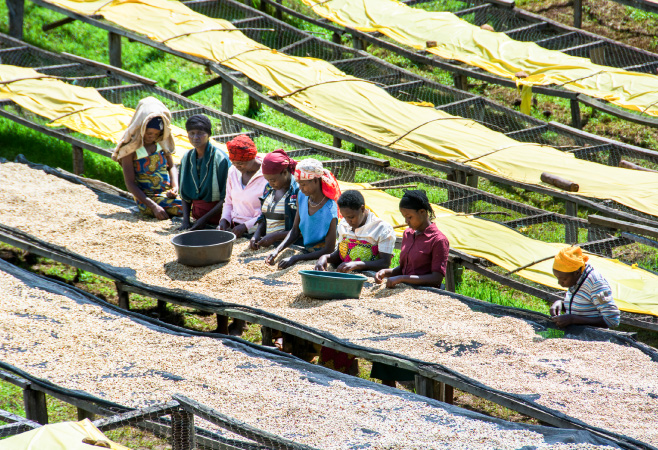 Coffee day laborers picking over the red coffee cherries in the Lake Kivu region of Rwanda
Travel Tips for Tea and Coffee Lovers Visiting Rwanda
In case you intend to visit the Rwanda tea and coffee, the following tips may help you:
- Best time to visit: Harvest seasons (March–May and September–November) provide more interactive experiences.
- What to wear: Comfortable walking shoes and light layers.
- Bring cash: Some rural cooperatives may not accept cards.
- Book in advance: Popular tours can fill up quickly during peak tourist season.
Rwanda has been generally regarded as one of the safest and cleanest countries in Africa, and therefore traveling through this country is easy and pleasurable.
 Rwandan coffee
Visa Requirements for Visiting Rwanda
You should ensure that your travel documents are in place before you go to taste Rwandan tea and coffee.
A majority of the travelers are allowed to apply online using the Rwanda Immigration Services, which provides a convenient eVisa system. Applying online can help reduce waiting time at the airport, but instead you can do your visa application in the cyber world, upload the required documents, and receive it in your email.
The process typically includes:
- Valid passport (minimum 6 months validity)
- Online application form
- Visa fee payment
- Travel itinerary details
Online visa services can help simplify the application process, but travelers should always check the official Rwanda immigration website for the latest requirements.
Applying in advance can help make your arrival process smoother, depending on your individual case, and you can begin your journey into the Rwanda tea and coffee without wasting time.
Why Rwanda Tea and Coffee Should Be on Your Travel List
From mist-covered hills to carefully cultivated beans, Rwanda tea and coffee are not just any agricultural product but a story of a community, quality, and a slog of strength.
Whether you are walking through emerald tea estates in Nyungwe, taking freshly brewed coffee in Kigali, or going on a guided tour, you will find that Rwandan tea and coffee provide a special prism through which to view the culture and economy of Rwanda.
In addition to wildlife tours, visiting the Rwanda Tea and Coffee will be a worthwhile addition to the agenda of any traveler who wants to have a memorable experience in Rwanda. With easy eVisa access through Rwanda Immigration Services, planning your trip has never been simpler.
If you’re ready to experience rich flavors, warm welcomes, and gorgeous views, then it is high time you included Rwanda tea and coffee in your Rwanda travel list.
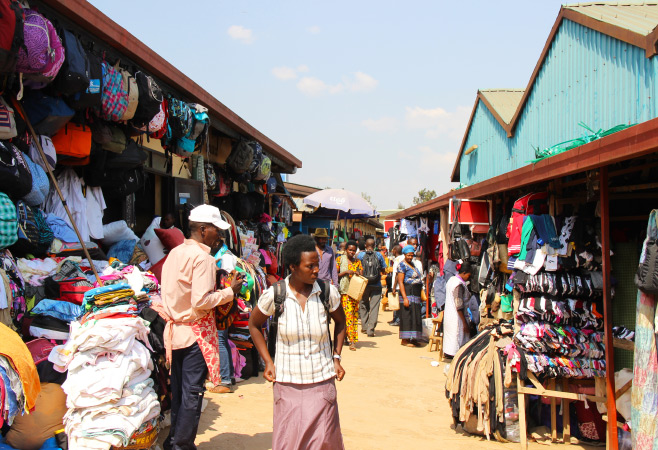 A landscape of a section of the Kimironko market
 Traffic close to a roundabout in Kigali, Rwanda
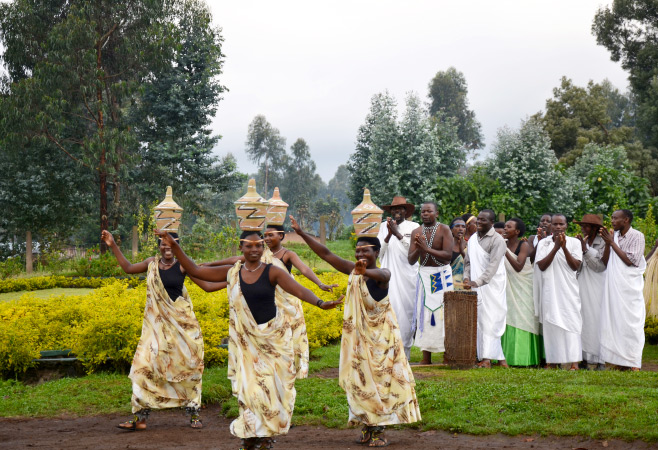 Local people perform traditional dance in Rwanda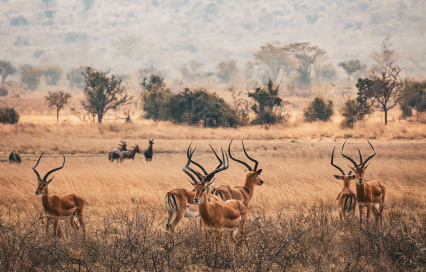
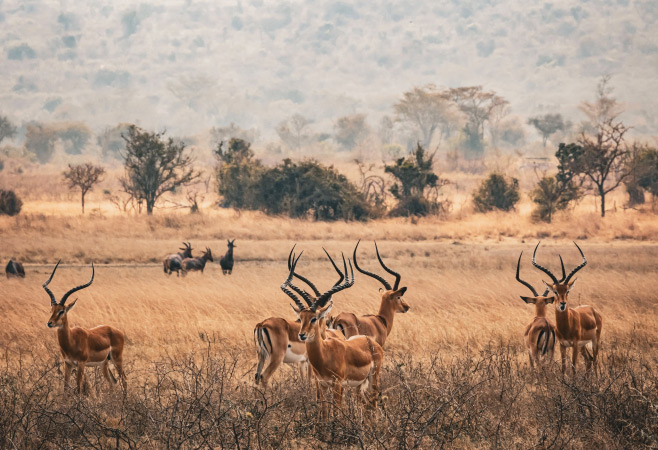 The impala gazelles standing in a grassy field at Akagera National Park, Rwanda