Etiquette and Cultural Expectations in Rwanda – A Complete Guide for Visitors
Updated: June 23, 2026
Visiting Rwanda offers a rich and eye-opening experience, with stunning landscapes, vibrant culture, and a complex history. However, to truly connect with the country and its people, it is essential to understand the etiquette and cultural expectations in Rwanda. Daily life is shaped by respect, modesty, and strong community values, and people who take the time to figure out the cultural subtleties of the region tend to make their visit much more rewarding.
This guide will walk you through the most important aspects of etiquette and cultural expectations in Rwanda, helping you travel confidently and respectfully.
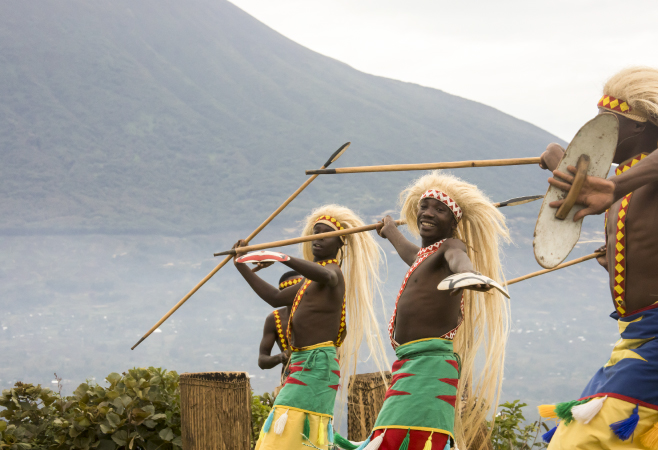 Dancers in Rwanda native dance troop, Virunga, Africa
Why Understanding Etiquette and Cultural Expectations in Rwanda Matters
Hospitality, cleanliness, and a good sense of unity are some of the elements that Rwanda is mostly known for. The country’s recovery has been remarkable, and respect towards others is a key component in the social context. The etiquette and cultural norms in Rwanda will help the visitor to interact with people much better, prevent misunderstandings, and respect the traditions of the country.
Courtesy and social harmony are highly valued in Rwanda, and interactions tend to be more formal than in some other destinations. Learning a few basic cultural norms before your trip can help you interact more naturally with locals.
Greetings and Social Interaction
One of the most important aspects of etiquette and cultural expectations in Rwanda is greeting others properly. Rwandese people do not hurry with the greetings. It is customary to say hello and ask about someone’s well-being before starting a conversation.
Handshakes and Respect
A handshake is the most common greeting, often accompanied by a warm smile. It’s considered polite to show extra respect and use a more deferential tone and body language when meeting elders or those in higher positions of power. Titles such as “Madam” or “Sir” are commonly used in formal settings.
Eye contact is polite and indicates attentiveness, but an extreme stare can be deemed as uncomfortable. Learning these aspects of Rwandan etiquette makes socialization easy.
Dress Code and Appearance Expectations
On the one hand, modesty is an important aspect of etiquette and culture in Rwanda, particularly beyond Kigali. While the capital city is modern and cosmopolitan, rural areas tend to follow more conservative dress standards.
What to Wear
- Avoid overly revealing clothing
- Choose knee-length shorts or skirts
- Wear modest tops covering shoulders when visiting villages
- Dress neatly for formal occasions
When visiting churches or memorial sites, modest attire is strongly recommended. Dressing appropriately shows respect for local culture and is often appreciated, such as dressing in a proper way, will gain positive impressions.
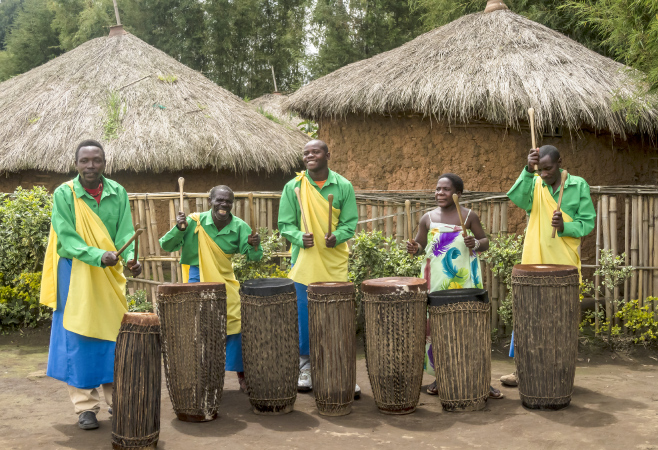 Tribal Dancers of the Batwa Tribe Perform Traditional Intore Dance
Dining Etiquette in Rwanda
Community bonding revolves around food. The conventional cuisines usually constitute food items such as plantains, beans, sweet potatoes, and grilled meat.
One important part of etiquette and cultural expectations in Rwanda is using the right hand when eating or giving items to others. Using the left hand may be considered impolite in some situations in serving or taking food.
Table manners in restaurants are the same as those of the international standards. The use of tipping is welcome but not obligatory. A tip of 5-10 percent is considered high in establishments.
Following the Rwandan etiquette at the dining table allows you to appreciate your hosts and improve your cultural experience.
Public Behavior and Social Conduct
Rwanda has a peaceful and stable social environment. Loud arguments, aggressive gestures, or disruptive public behavior are frowned upon. Public displays of affection are generally modest, especially outside major cities.
Punctuality is valued in professional settings, though social gatherings may be more flexible with time. Polite communication and a composed demeanor align with etiquette and cultural expectations in Rwanda.
Visiting Genocide Memorials with Sensitivity
The history of Rwanda is something that is embedded in it. Visitors are supposed to conduct themselves in a respectable manner when they are in certain places, like the Kigali Genocide Memorial.
Key guidelines include:
- Dress modestly
- Speak quietly
- Avoid inappropriate photography
- Refrain from casual or humorous behavior
Understanding etiquette and cultural expectations in Rwanda is especially important at memorial sites. These spaces are places of remembrance and reflection, and visitors should approach them with empathy and dignity.
Religious and Spiritual Etiquette
Christianity is the dominant religion in Rwanda, though traditional beliefs are also respected. Churches are central to many communities.
When attending a religious service:
- Dress conservatively
- Arrive on time
- Participate respectfully if invited
Religious gatherings are often welcoming to visitors, but following local etiquette helps you remain respectful during religious visits.
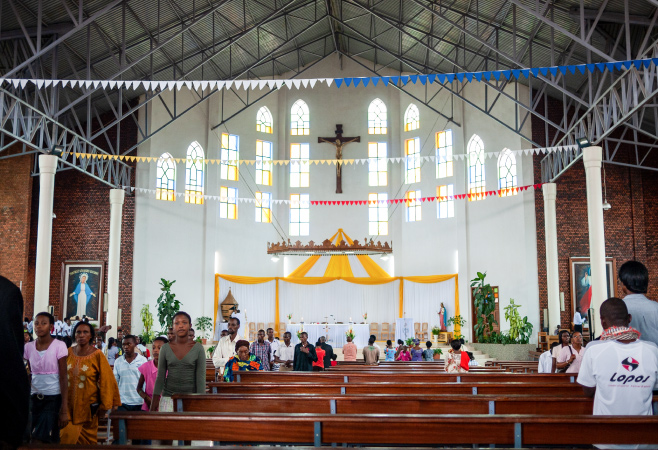 People are leaving from the church after the mass
Business Etiquette in Rwanda
Rwanda has a growing business environment, especially in Kigali. Professional interactions are typically formal.
Key Business Norms
- Exchange handshakes when meeting
- Use professional titles
- Dress in formal or business attire
- Show patience during discussions
Hierarchy is respected, and decisions may involve multiple levels of approval. Observing etiquette and cultural expectations in Rwanda during business meetings fosters trust and professionalism.
Photography and Privacy Expectations
The scenery of Rwanda is breathtaking, and you might be tempted to capture every moment in pictures. Nevertheless, prior consent to taking photos of people is an essential element of both etiquette and cultural norms in Rwanda.
Photography is often restricted in government buildings, military areas, and border posts. Drone usage may require special permits.
Respecting privacy aligns with both legal requirements and cultural courtesy.
Cultural Etiquette in Rural Communities
Cultural awareness is further enhanced when people come to villages or engage in community tourism.
Practical Guidelines
- Greet local leaders when possible
- Avoid giving money directly to children
- Support local businesses and cooperatives
- Show appreciation for hospitality
Visiting rural communities can be a meaningful part of your trip to Rwanda. In Rwanda, it will be essential to show sensitivity to etiquette and cultural demands to ensure positive interactions and respect.
Practical Travel Preparation
It is always helpful to pick up a couple of simple phrases in Kinyarwanda before you go, like "Muraho" (Hello) or "Murokoze" (Thank you). The slightest attempts are welcome.
Understanding how to act and what is expected in Rwanda in advance will equip you with the ability to face social situations with self-confidence.
It is also significant to keep hold of your travel papers. Rwanda Immigration Services has an online visa application process, allowing many travelers to apply for an eVisa online. Travelers do not have to wait until they get to the destination; they are allowed to make their application, attach a document, and receive visa approval online.
The online application system helps make the entry process more convenient to enter the country and concentrate on the cultural exploration instead of the documentation. A prepared traveler is better positioned to fully appreciate the etiquette and cultural expectations in Rwanda from the moment they land at Kigali International Airport.
Common Mistakes to Avoid
To summarize key points of etiquette and cultural expectations in Rwanda, here are common mistakes visitors should avoid:
- Ignoring greetings
- Dressing inappropriately in rural areas
- Taking photos without permission
- Being overly loud or confrontational
- Disrespecting memorial sites
Being mindful of these behaviors ensures your visit is respectful and meaningful.
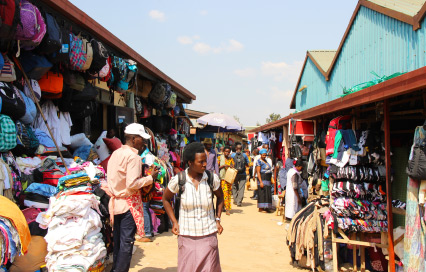
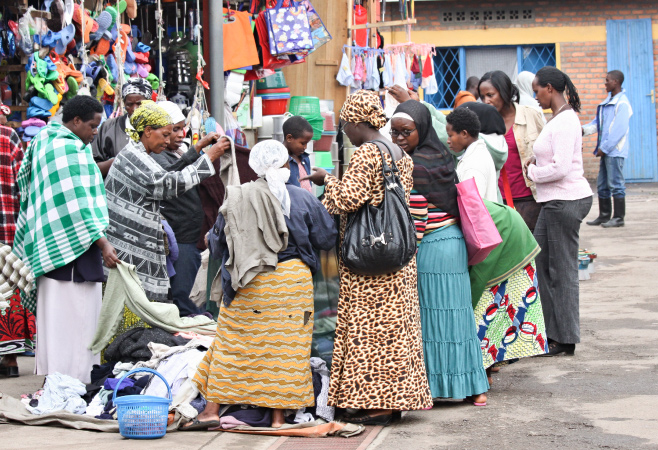 Rwandan people at the market
Final Thoughts
Understanding etiquette and cultural expectations in Rwanda is not about strict rules—it’s about respect, awareness, and openness. Rwanda is a nation that highly appreciates dignity, unity, and hospitality. Tourists who pause to experience these values usually come out with a better understanding of its people.
By following social traditions, wearing conservative clothes, acting and taking Rwanda at memorials, and communicating with locals in a friendly manner, you’ll be better prepared to experience Rwanda in a respectful and meaningful way.
Before your journey, remember to arrange your travel authorization through Rwanda Immigration Services for a smooth entry process. Having your visa in your pocket and knowing the etiquette and cultural expectations in Rwanda, you are all prepared to enjoy one of the friendliest and most motivating spots on the African continent.
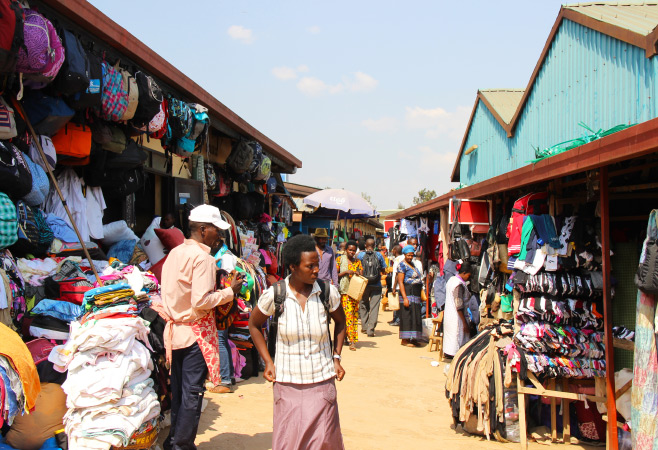 A landscape of a section of the Kimironko market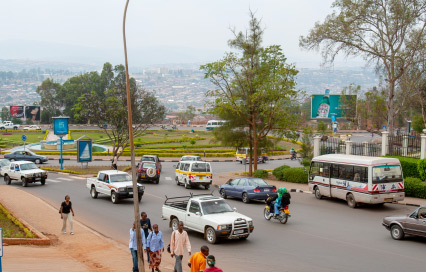
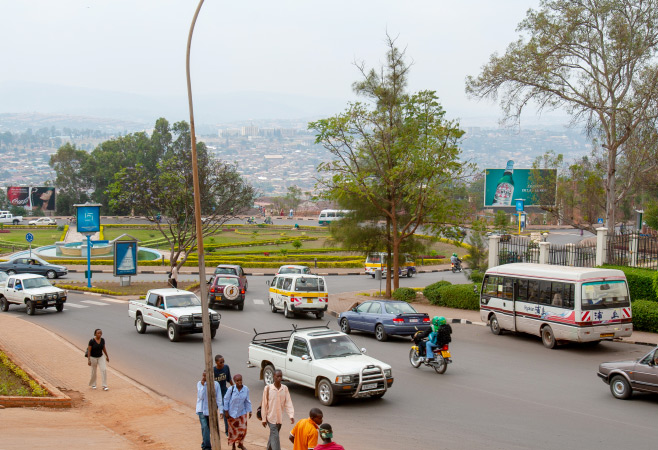 Traffic close to a roundabout in Kigali, Rwanda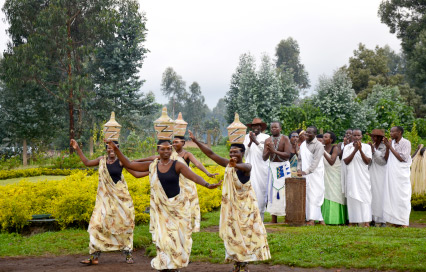
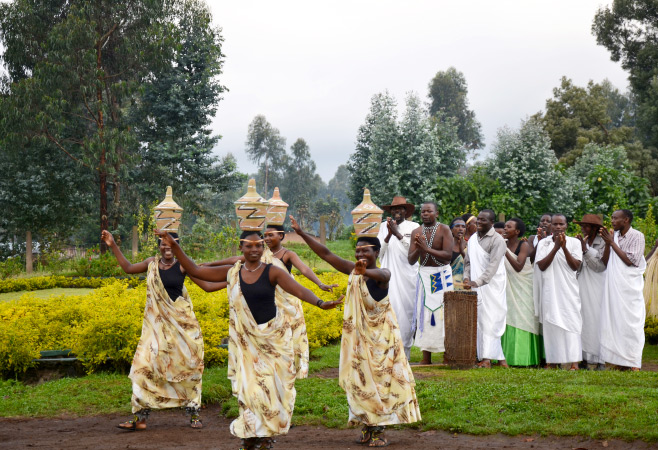 Local people perform traditional dance in Rwanda