Local Villages in Rwanda – Discover Authentic Rural Life and Culture
Updated: June 23, 2026
Beyond gorilla trekking and scenic landscapes, one of the most meaningful travel experiences you can have is visiting local villages in Rwanda. These rural communities offer authentic cultural experiences and a genuine sense of hospitality, and a closer insight into the traditions and way of life in the country. Although Rwanda is rightly known as the land of wildlife and conservation success, the heart of Rwanda lies in its rural communities.
Exploring local villages in Rwanda allows travelers to step away from typical tourist routes and connect directly with communities that preserve the nation’s heritage.
Why Visit Local Villages in Rwanda?
Travelers are increasingly drawn to Rwanda’s villages for one key reason: real cultural connection to local villages in Rwanda. First and foremost, these visits provide genuine cultural immersion. Instead of observing from a distance, you can interact with villagers, learn about their routines, and participate in traditional activities.
Rwanda is a country that revolves around rural communities. Agriculture is the main source of income in rural areas, and daily life often revolves around farming, local markets, and family routines. Staying in a Rwandan village gives you a deeper understanding of the country’s unity and resilience.
Visiting villages also supports sustainable tourism. Most community-based tourism projects guarantee that the incomes come straight to the families of the locals by way of education schemes, health gains, and the enhancement of infrastructure.
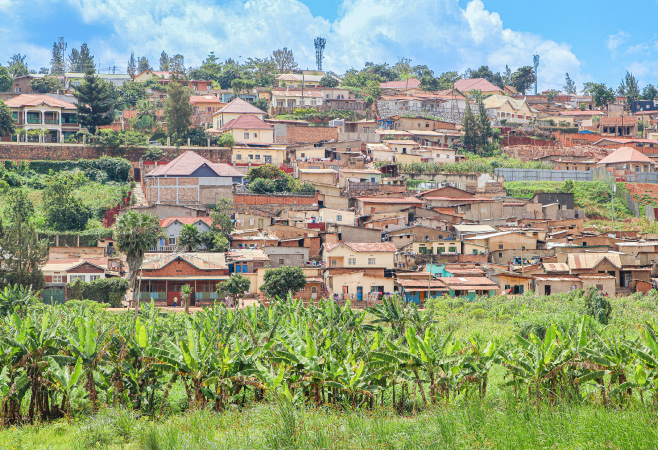 Rwanda - Landmarks and countryside sights
What to Expect When Visiting Local Villages in Rwanda
When you explore local villages in Rwanda, expect simplicity, warmth, and authenticity.
Traditional Housing and Daily Life
Most rural homes are modest but well-maintained, often constructed with brick or mud walls and tin or thatched roofs. Surrounding homes, you'll find small farms growing bananas, beans, sweet potatoes, and maize.
Daily routines may include tending livestock, harvesting crops, fetching water, and preparing meals. Observing these activities provides insight into rwanda village life and the rhythm of rural living.
Hospitality and Social Customs
Rwandans have their own culture of hospitality. Visitors are often warmly welcomed into local homes; at times, and may be offered traditional drinks such as banana juice or locally brewed banana beer. There are small farms around the houses, which cultivate bananas, beans, sweet potatoes, and maize.
Knowing a few local phrases can make your experience more meaningful and guarantees fruitful communication in local villages in Rwanda.
Popular Community Tourism Experiences
Several regions offer structured experiences that highlight local villages in Rwanda while ensuring responsible tourism.
Iby’Iwacu Cultural Village (Near Volcanoes National Park)
This cultural village is close to the popular gorilla trekking site, where tourists are exposed to the traditional dance, drumming, and stories. Former poachers have transitioned into cultural ambassadors, making this initiative a powerful example of conservation-linked community development.
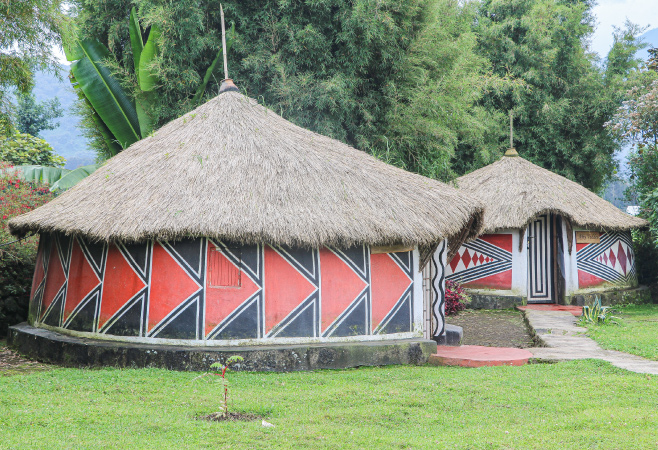 Rwanda Countryside
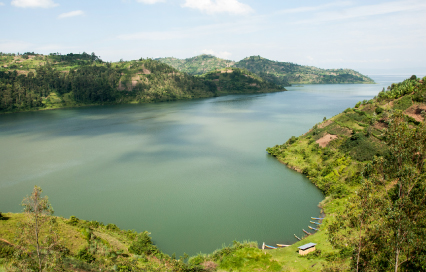
Villages Near Lake Kivu
The settlements on Lake Kivu are a mixture of farming and fishing. Visitors can observe traditional fishing methods or just have a view of the village life along the lakeside.
Nyungwe Forest Area
Village tours tend to involve tea plantations and crafts workshops near Nyungwe Forest National Park. These experiences show how tourism helps in rural economies.
All these destinations are characterized by variety within the local villages in Rwanda.
Cultural Activities in Rwandan Villages
Engaging in hands-on activities is one of the highlights of visiting local villages in Rwanda.
Traditional Dance and Drumming
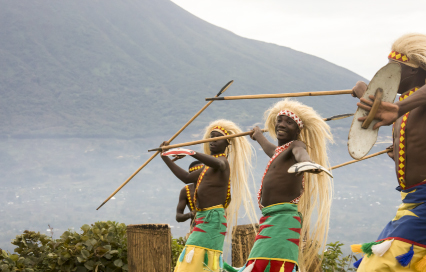
The Intore dances are dynamic and symbolic; they are a representation of the royal history of the Rwanda people. Watching or joining these performances creates a memorable cultural experience.
Craft Workshops
Rwanda also has a strong art form in terms of basket weaving. Female cooperatives frequently show weaving techniques, which means that visitors can buy handmade souvenirs at the place of the artisans.
Coffee and Tea Farming
Other villages allow you to accompany farmers during harvest time. Learning about coffee production adds depth to your understanding of rural livelihoods.
These interactive experiences reveal the beauty and complexity of local villages in Rwanda beyond surface-level tourism.
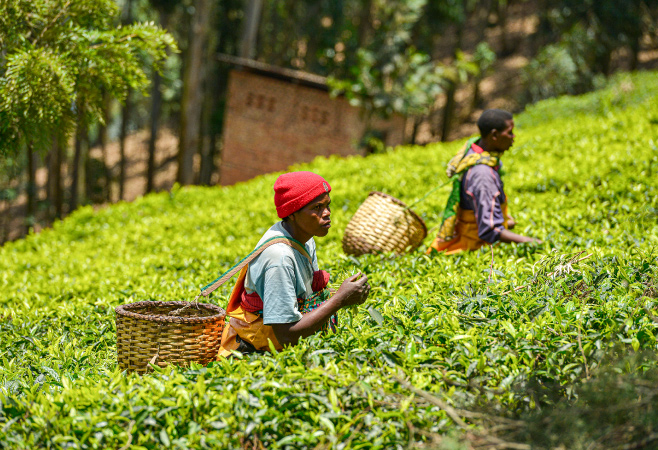 Tea in a Rwandan tea plantation
The Role of Community-Based Tourism
In Rwanda, community-based tourism has revolutionized most of the local villages. Tourism provides income that helps fund schools, healthcare, and small businesses, health clinics, and small businesses.
Cooperatives of women are especially effective. Women can earn income through crafts and agricultural work, but retain their traditional skills.
This model will make cultural travel an enriching and responsible one since it will ensure that those who host tourism benefit.
Etiquette When Visiting Rural Communities
Respect is essential when exploring local villages in Rwanda.
Ask Before Taking Photos
Always request permission before photographing individuals. A simple smile and polite question go a long way.
Dress Modestly
Wear clothing that covers shoulders and knees, especially in conservative areas.
Avoid Direct Cash Donations to Children
Rather than donating money, sponsor local schools or buy products in local cooperatives.
Following basic etiquette shows respect for the communities you visit for the communities that welcome you into their lives.
Best Time to Visit Local Villages in Rwanda
Visiting local villages in Rwanda is best done during the dry seasons (June to September and December to February) because roads are accessible.
The harvest seasons are particularly interesting, as you can find out about farming activities in their prime. Other travelers include gorilla trekking or safari itineraries in addition to visiting the village to have a well-balanced tour.
Travel Tips for Visiting Rural Rwanda
Traveling to local villages in Rwanda often involves road journeys through scenic countryside. Hiring a local guide is recommended, as guides can translate conversations and explain cultural context.
Pack comfortable walking shoes, sunscreen, and a reusable water bottle. Keep your luggage light and practical.
Most importantly, approach each visit with curiosity and respect. Exchange between cultures is effective when both parties feel appreciated.
Visa and Entry Preparation
Before exploring local villages in Rwanda, ensure your travel documents are prepared. Many travelers can apply online through Rwanda Immigration Services, which provides a convenient eVisa system.
The process typically includes:
- Completing an online application form
- Uploading passport details
- Paying the visa fee securely
- Receiving approval via email
You can apply for a Rwanda eVisa online before your trip. Requirements and processing times may vary depending on your nationality and application details. It’s recommended to complete your visa application in advance to avoid delays on arrival.
Having got travel permission, this helps you focus on your travel experience without last-minute administrative concerns.
Sample Cultural Itinerary
To experience multiple local villages in Rwanda, consider this 5-day outline:
- Day 1 – Kigali: Visit local markets and cultural centers
- Day 2 – Volcanoes Region: Explore Iby’Iwacu Cultural Village
- Day 3 – Lake Kivu: Engage with fishing communities
- Day 4 – Nyungwe Area: Participate in tea or craft workshops
- Day 5 – Eastern Province: Visit rural farming villages
This itinerary balances cultural immersion with scenic travel.
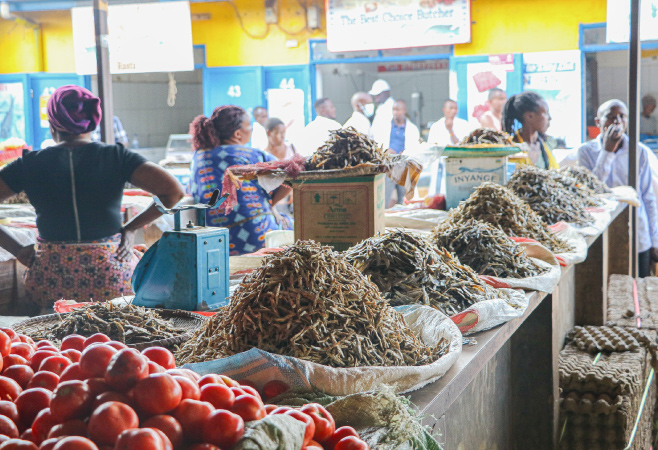 Kigali, Rwanda - The people of Africa and the scene in the local markets
Final Thoughts
Visiting local villages in Rwanda offers more than sightseeing—it provides a genuine connection. From traditional dances and handcrafted baskets to shared meals and farming experiences, rural Rwanda reveals the country’s authentic spirit.
These villages reflect resilience, unity, and community strength. Many travelers find that time spent in villages leaves a deeper impression than visits to national parks in Rwanda makes the greatest impression.
Before your journey, remember to secure your visa through Rwanda Immigration Services for a seamless entry process. When it is ready, you will be in a position to dive deep into the warmth, hospitality, and cultural richness of local villages in Rwanda, and this will turn traveling into an unforgettable experience.